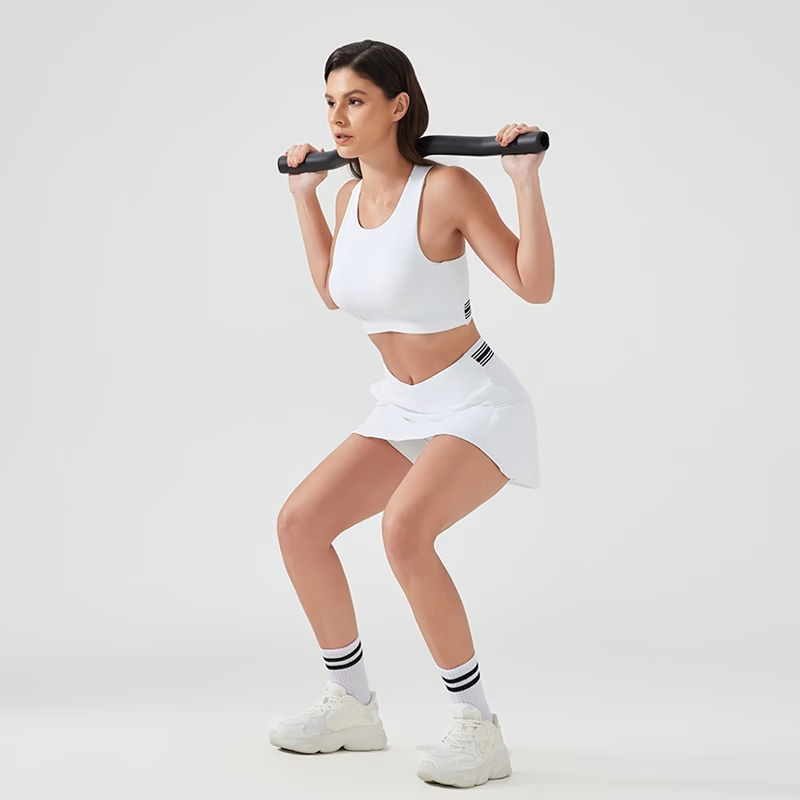
Introduction: The Problem Isn’t Demand – It’s Execution
The global yoga apparel market is no longer emerging – it is accelerating. Data shows the industry is projected to grow from $31 billion in 2024 to over $53 billion by 2030, with North America accounting for nearly 45% of the market. The opportunities are still increasing.
Experienced buyers already know the score:
The real challenge isn’t demand – it’s product selection, supplier reliability, and margin control.
In mature markets like the United States and Europe, what determines success? Before we get into that, let’s first take a look at which products are the most popular in these top-selling markets.
1. What are the products that are genuinely popular in the European and American markets?
In Western markets, the bestselling yoga apparel categories are no longer dominated by “activewear.”
The driving force is lifestyle integration.
Top-performing categories:
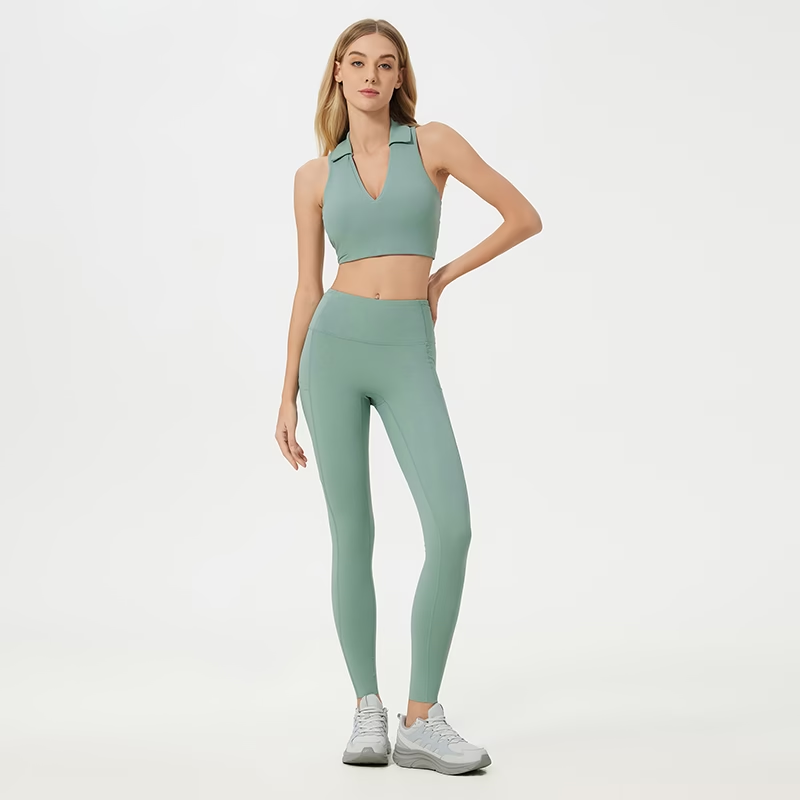
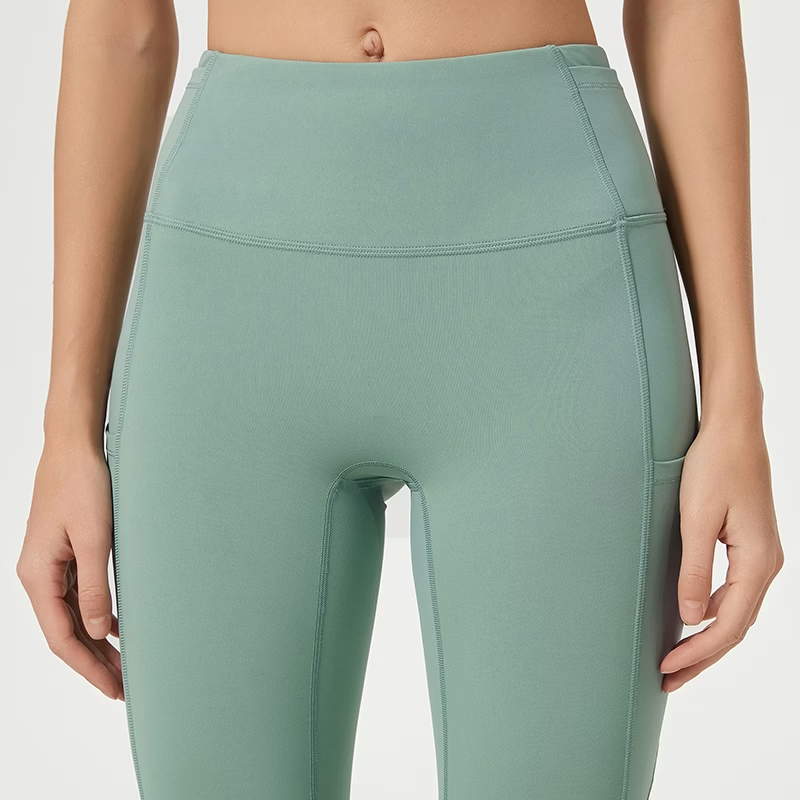
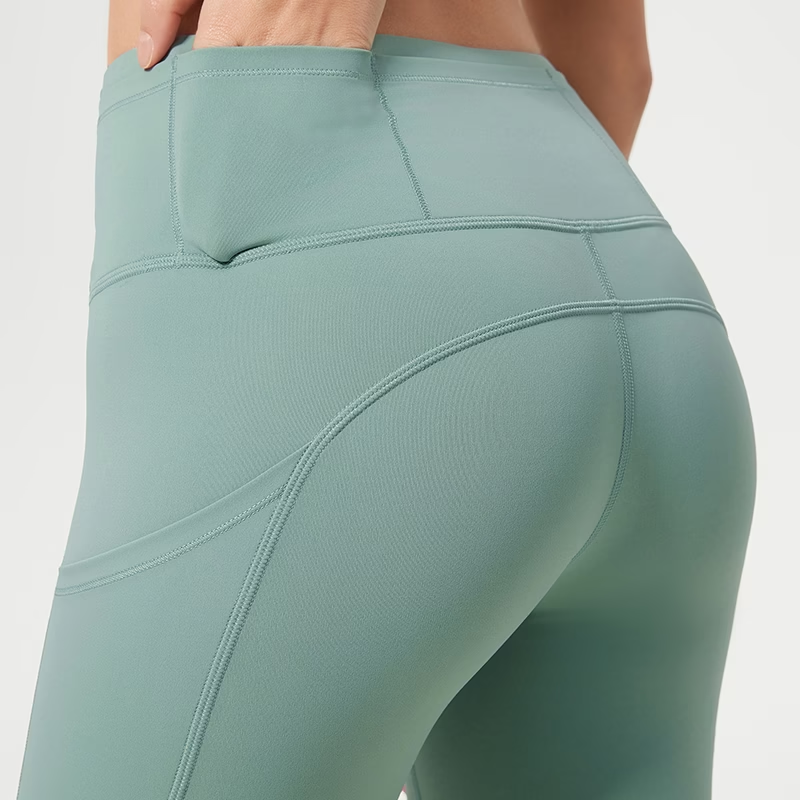
High-waisted leggings → Still the sales pillar
Matching sets → Highest conversion rates in DTC channels
Flared/bootcut pants → Rapidly rising trend among Gen Z
Premium basics → Key to driving repeat purchases
Leggings alone remain the foundation of the category, with consumer demand for features like non-sheer fabrics and high-rise fits continuing to grow.
Key takeaway:
You aren’t selling “activewear” – you’re selling everyday wear disguised as fitness apparel.
2. Athleisure Has Become the New Lifestyle Norm
The rise of athleisure is not a passing fad; it is a structural shift.
Driven by demand for comfort, versatility, and a hybrid lifestyle, the global athleisure market is projected to reach $892 billion by 2033.
And consumer expectations:
Seamless transition from gym → café → office
A perfect blend of comfort and style
Minimizing outfit changes
What this means for buyers:
Products must offer a premium feel, not just functionality
Design is equally as important as fabric
Collections must feel like fashion lines, not athletic catalogs


3. Fabric Strategy = Margin Strategy
Fabric determines product success or failure. The difference between profitable brands and struggling ones lies here.
Fabric selection directly impacts sales, reviews, and brand positioning.
Recommended fabric compositions:
Nylon + Spandex (75/25 or 80/20) → Premium hand-feel, better elastic recovery
Polyester + Spandex → Cost-effective, suitable for scalable production
Recycled fabrics → Higher perceived value and expected by modern consumers
Key properties:
Moisture-wicking
Anti-odor
Breathability
Soft touch
These features are no longer “premium” selling points – they are baseline expectations.
4. From Performance to Identity
Western consumers no longer make purchasing decisions based on functionality alone.
What they buy into:
Identity
Lifestyle alignment
Brand values
This means:
Sustainability is no longer optional
Inclusive sizing expands market reach
Brands must feel authentic
Small to medium-sized niche brands focused on ethical sourcing and sustainability are disrupting larger corporations.
Sourcing guideline:
Your suppliers must support:
Certifications for eco-friendly fabrics
Consistency in brand narrative
5. Fatal Mistakes Buyers Still Make
Even experienced importers repeat the same errors:
Prioritizing price over product consistency
Cheap products lead to: returns, bad reviews, and eroded brand trust.
Ignoring trend timing
Fashion cycles move faster than production cycles.
Example: The flared pant trend surged quickly. Jumping on it too late = dead stock.
Treating suppliers as vendors rather than partners
Good suppliers:
Offer improvement suggestions
Control quality
Ensure supply chain stability
6. What Does a Reliable Supplier Actually Look Like?
Inside the Professional Yoga Apparel Supply Chain
For US/EU buyers, supplier selection is risk management.
Key requirements:
Stable fabric sourcing channels
Consistency in sizing standards and quality control
Certification capabilities (GRS, OEKO-TEX)
Flexible MOQs for market testing
Fast sample turnaround
Good suppliers don’t just manufacture – they reduce uncertainty.
7. Future Trends: Where Smart Players Are Heading
Over the next 3 to 5 years, the following trends will emerge:
Sustainability Dominance
Eco-friendliness will become a basic expectation.
Fashion-Driven Product Cycles
Trends will move faster.
Category Diversification
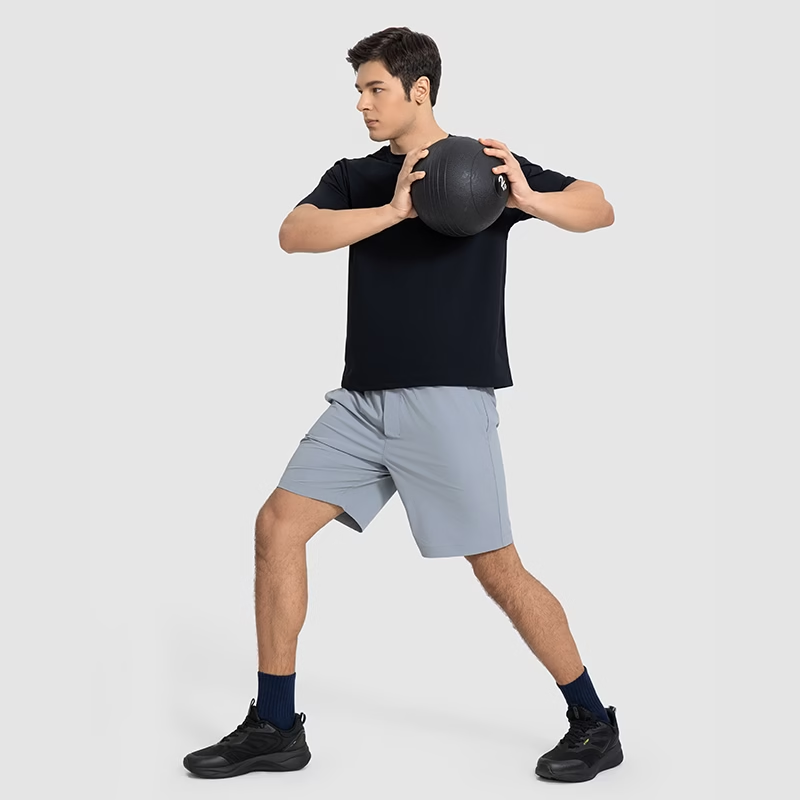
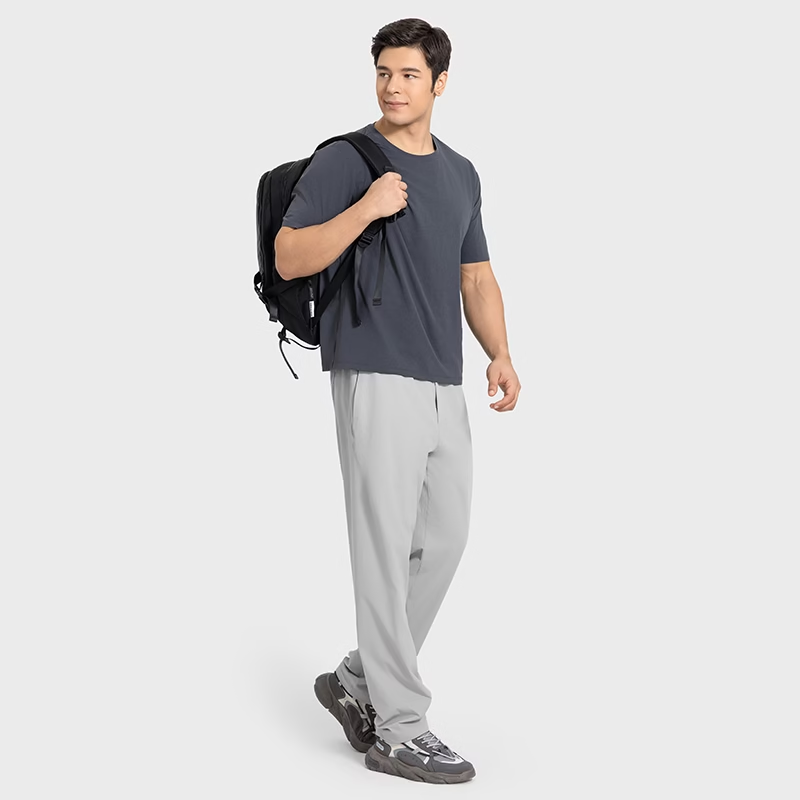
Men’s yoga wear
Plus-size apparel
Lifestyle crossovers
Conclusion: Winning in Mature Markets
In the US and Europe, success is not about entering the yoga apparel market.
It’s about:
Choosing the right products
Selecting the right fabrics
Partnering with the right suppliers
Because in this industry:
The gap between a bestseller and dead stock often comes down to one decision made too late – or one detail overlooked too early.